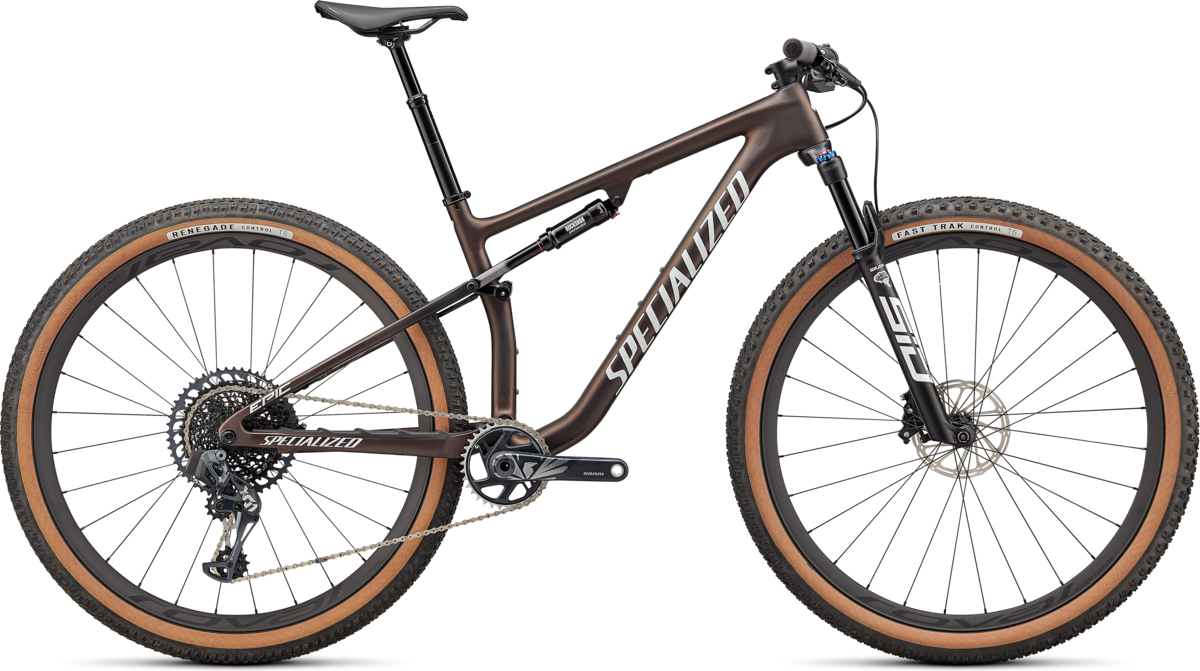
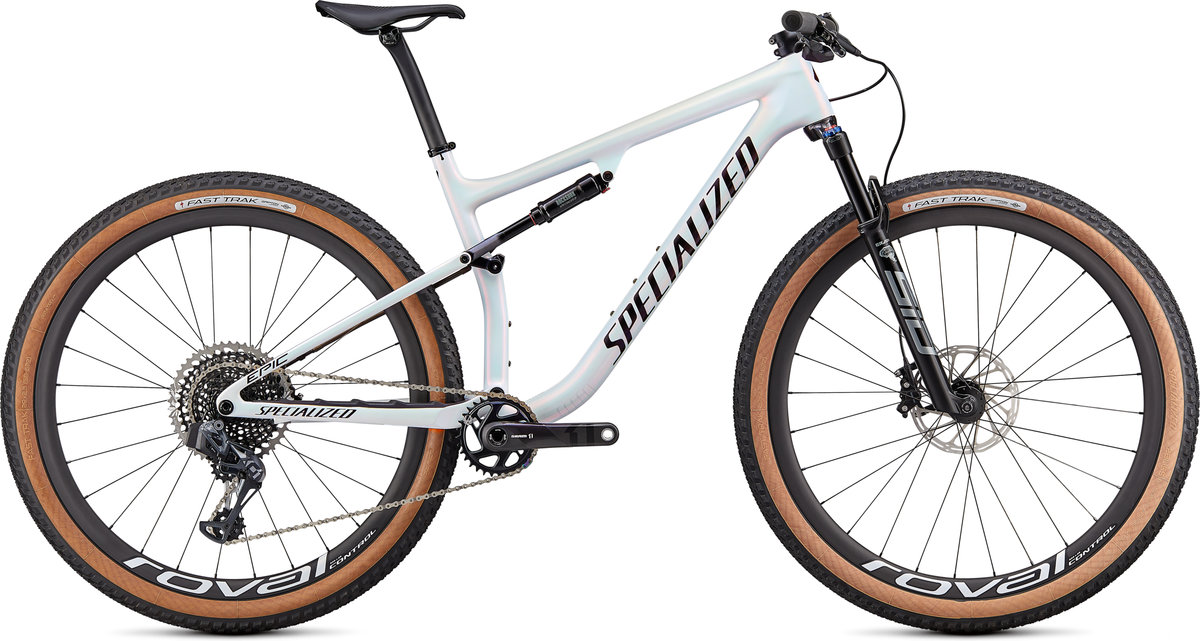

Inspection
Frame condition
Inspect the frame, fork, welds, and high-stress areas for cracks, dents, or prior repairs.

Specialized
Previous used estimate
$1,962 - $2,018
Actual value depends on condition, size, and local demand.
12-month projected trend
16%
Direction and magnitude, not judgment
vs. category average
1%
Drops faster than category avg
Values based on actual sales data. Enter your bike's specifics to get a precise valuation.
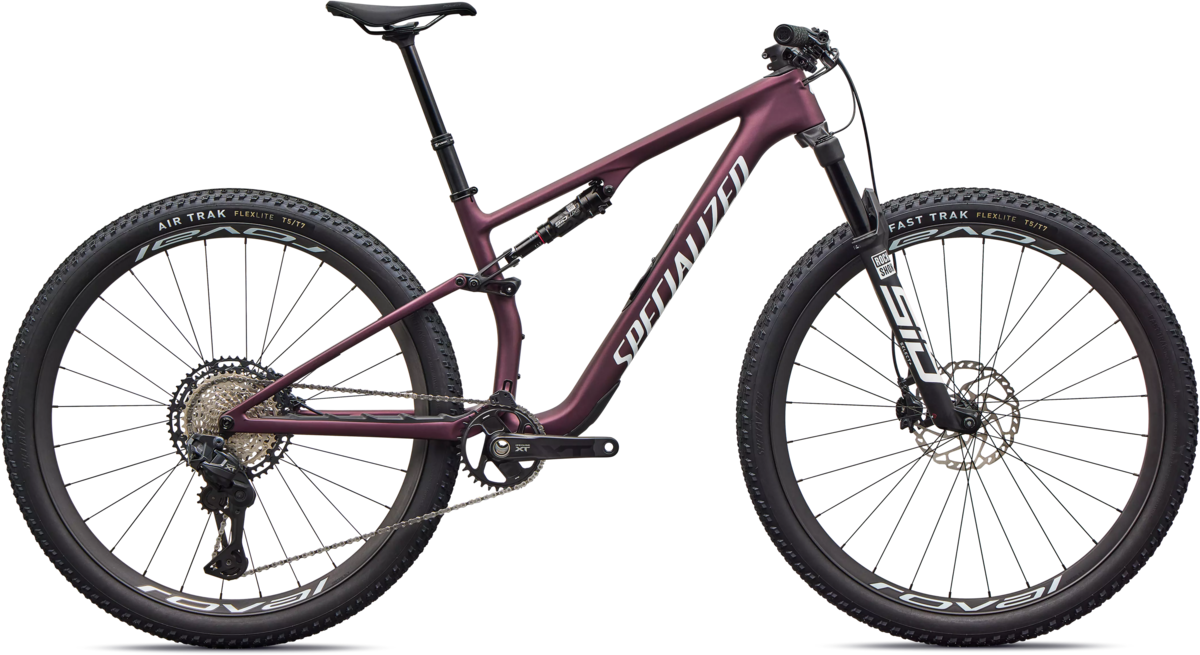
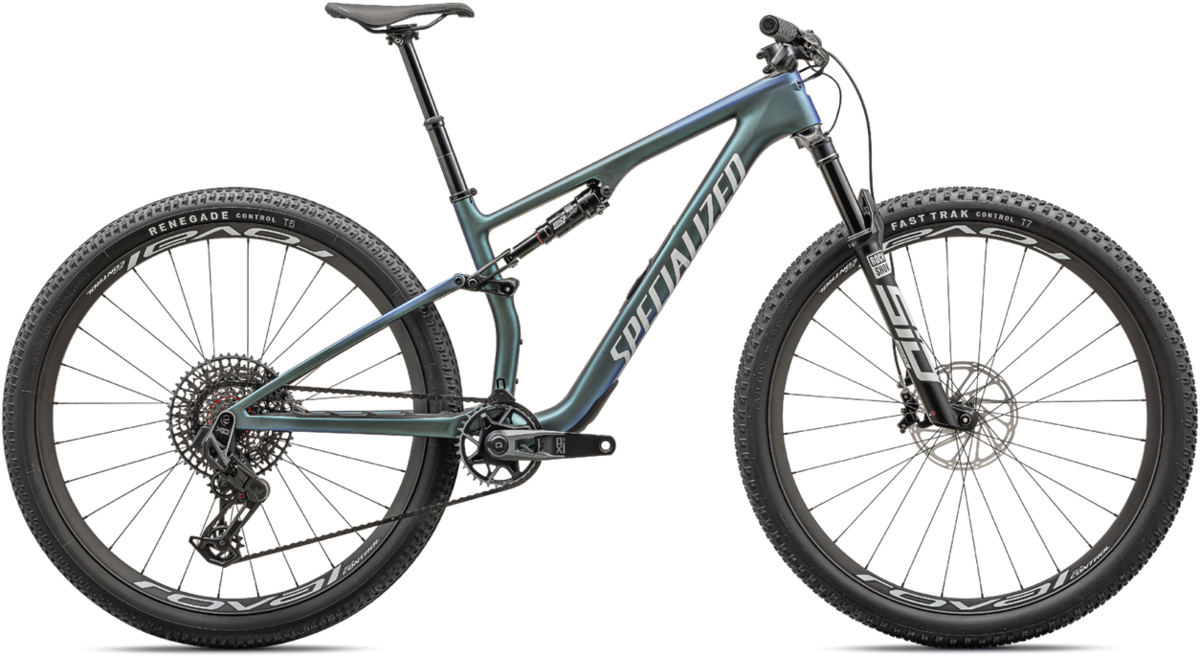
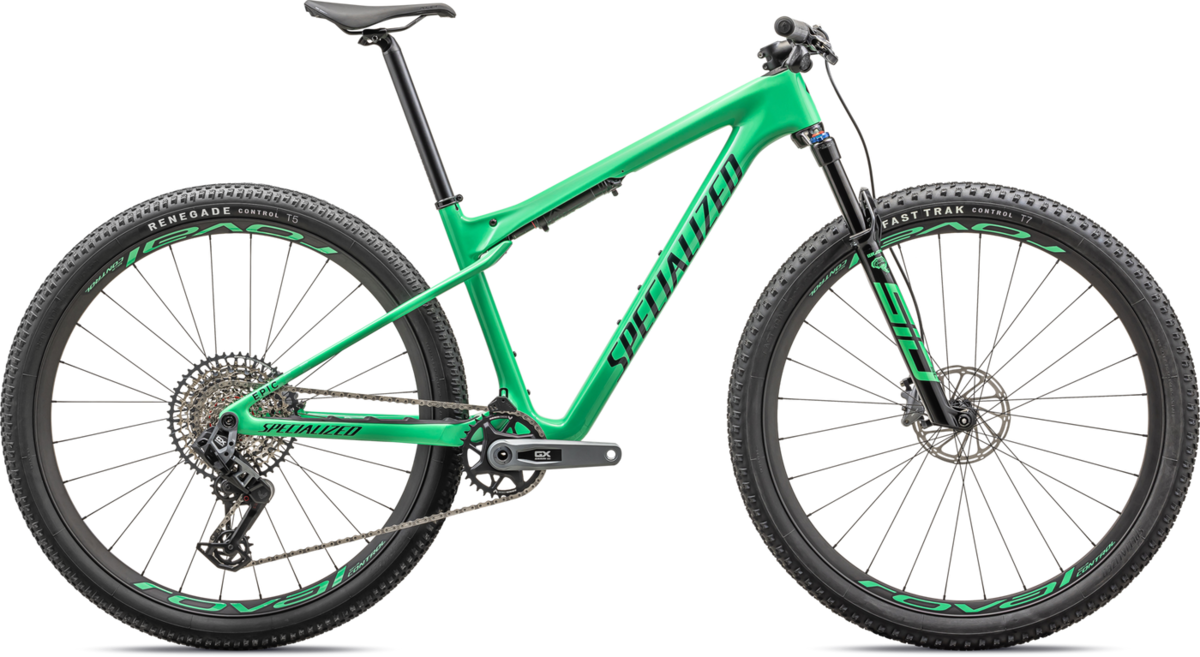
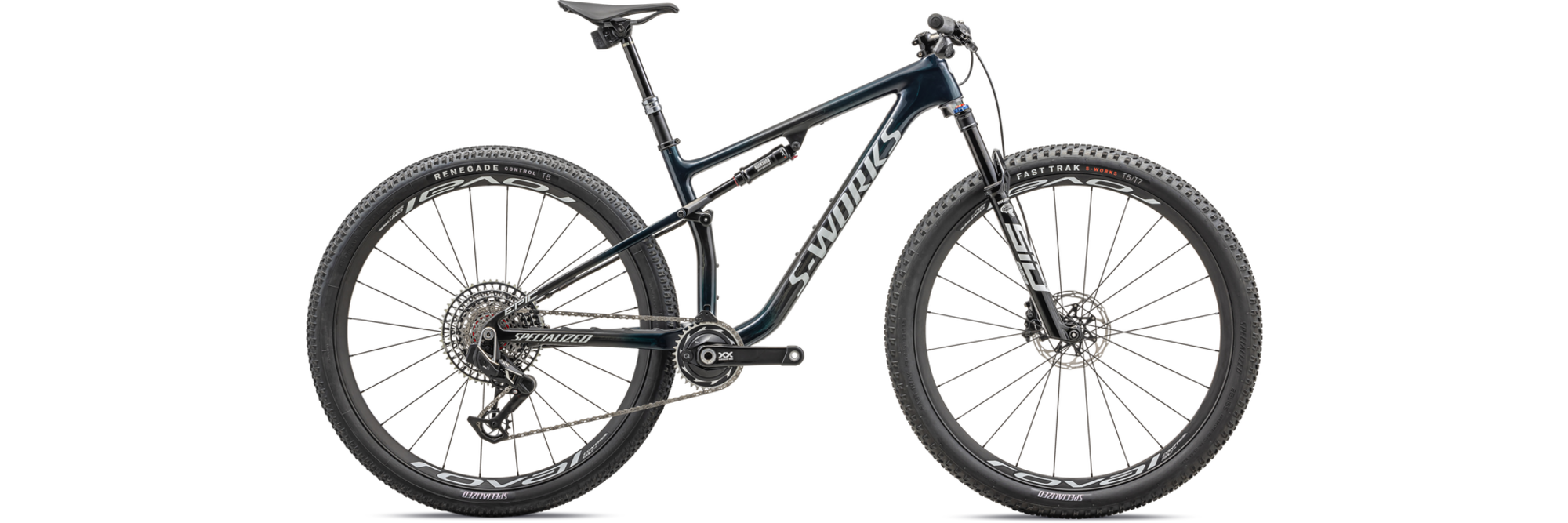
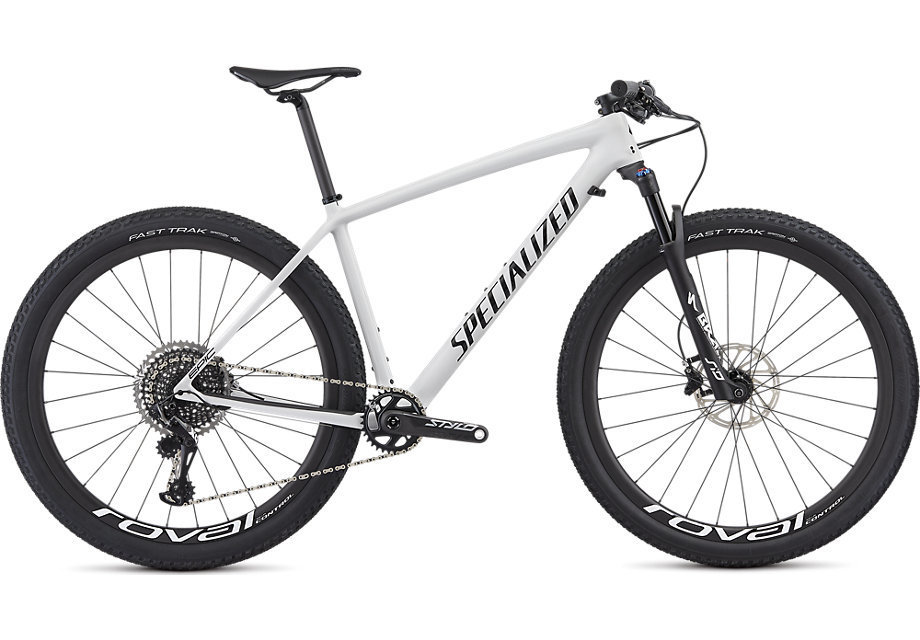
If you ask us, it's been too long since hardtails got their world shaken up. Well, our all-new Epic Hardtail Pro Carbon does just that. New geometry, crazy-low frame weight, and a build from the racing gods—this bike is ready to shatter the mold. Over the last decade, cross country racing has evolved into a completely different animal—the courses are rowdier, more technical, and overall, they're inherently different. Because of this, we realized that the best bike for the job needs to not only be lightweight and stiff but also be able to descend and climb with equal prowess. Determining the best geometry was the easier of the two, as we took our current XC race geo and added some trail DNA to the mix. This equates to a longer top tube, a shortened the head tube, and a slacked out the front end, the result of which is a tremendous increase in downhill stability, plus a wider fit range. And just as importantly, this doesn't require any sacrifice of climbing proficiency. The weight aspect was more complicated, though. We were posed with the question, "How do you take weight out of something that's already so light?" But the answer was relatively obvious: you get the best mountain bike engineers together in one room and let the magic come out. Up until now, there were two ways to lighten up a frame—use less of the same grade of carbon or use less of a higher-grade carbon. Option one is never a viable solution as it sacrifices stiffness and strength, two attributes that shouldn't be tampered with. And while we did end up using option two, we weren't content with the amount of weight we could cut out by just using a different grade of carbon. So how else do you cut weight? Well, we began looking at our layup schedules to see if they could be improved, which shed light on a new discovery—layup inefficiencies. Beginning with our Rider-First Engineered frame technology, each size Epic Hardtail is specifically tailored to size—every carbon layup and tube are exclusively selected based upon hundreds of hours of collected ride data. What does this mean for you? It not only creates the optimal balance of rigidity, weight, and responsiveness across every frame size, but it led us to the discovery of how to save weight through the studying of the layup. Through extensive layup studies, we made the discovery that, by further controlling the construction and layup schedules, we could drastically decrease weight, all while maintaining the ride characteristics that you'd expect from a top-level XC race bike. With this discovery, each frame now features complex cut carbon plys that allow difficult junctions to be covered with less overlap. And while this does complicate the carbon frame puzzle by adding more pieces to the mix, it allows us to design and place them more intelligently. The result of this is a lighter frame, stronger junctions, and a drastic increase in stiffness. For the build, the Epic Hardtail Pro Carbon hits right on the money, opting for a custom-tuned RockShox SID fork with Brain, SRAM X01 Eagle 12-speed shifting, and hand-built Roval Control Carbon wheels. - By pairing a FACT 11m carbon fiber frame with our XC 29 Geometry, this Epic places a focus on revolutionary tube angles and light overall weight for explosive speed and nimble handling on the race circuit. - Roval's new Control Carbon wheels have many of the hallmarks of the Control Sl wheels, like a 25mm internal width, and a new shape—making traction, low weight, and durability all top priorities. - With their 750mm width, the S-Works Carbon Mini-Rise handlebars, you're sure to have plenty of control, all while keeping weight to an absolute minimum.
Inspection
Inspect the frame, fork, welds, and high-stress areas for cracks, dents, or prior repairs.
Inspection
Check chain stretch, cassette teeth, chainrings, and shifting under load before negotiating price.
Inspection
Ask for service records covering bearings, brakes, drivetrain, and any frame or fork warranty work.
Inspection
Confirm fork and rear shock service intervals and check pivot bearings for play.